
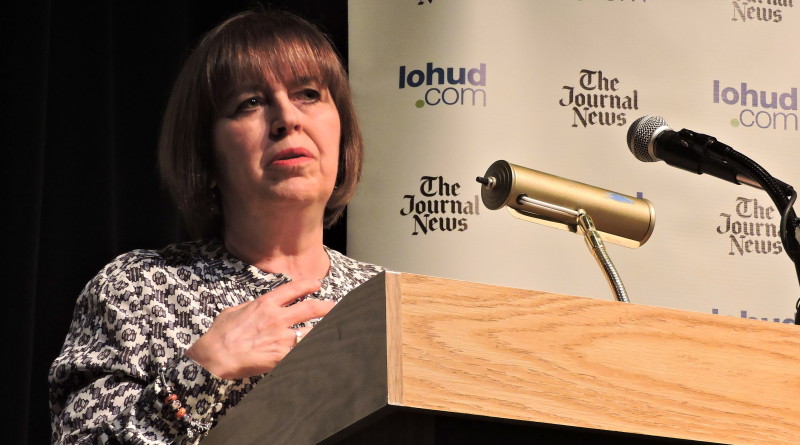
Working Mothers’ Carol Evans on Workplace Gender Equality in the U.S., Westchester
While women seemingly have equal access to the same opportunities and privileges given to their male counterparts, Westchester Woman Carol Evans says unconscious bias and a lack of support in the workplace prevent today’s women from achieving true equality.
Evans the CEO of Carol Evans Enterprises, woman’s rights activist and Founder/President Emeritus of Working Mother Media explained to the audience at the North Castle Library in Armonk Wednesday night that though some American women may start on a fairly equal playing field in the workplace (in terms of having the same education, jobs, and pay as men), that’s not where they end up.
Evans, who is also campaigning for Westchester Presidential Candidate Hilary Clinton, said that, statistically, men start to pull ahead after just two or three years in the job market. Because of work
Evans’ lecture, titled Women at Work: How Are U.S. Women Doing and What’s Next for Gender Equality, was part of Lohud’s Influencer Speaker Series. Lohud Engagement Editor and Editorial Board Member Swapna Venugopal Ramaswamy hosted the talk, whose proceeds benefit the March of Dimes.
So, why are men getting further ahead faster?
Evans points to men having more ambition for themselves and careers, while women are more involved with the actual work they are doing. Men will ask for more money and chase those promotions. Women, however, tend to wait for opportunities to be presented to them.
Evans says women are more likely to immerse themselves in running their companies and focusing on getting the job done, often neglecting to take the time to stop and see how they could be making advancements for themselves.
“Women are no doubt still experiencing unconscious bias, and that’s why it’s happening so early in these careers, because right away the power of the unconscious mind tells us that men have always been in positions of power and men have a greater ability to perhaps protect us,” explains Evans.
“That’s how unconscious bias works, it’s not sexism. It’s something that is deep in our minds and in our hearts that say men are taller, stronger, faster and, perhaps, more capable of protecting our family, our community, our company and maybe the better choice. It’s unconscious.”
According to Evans, these unconscious biases have found their way into the minds of both men and women, which leads women to ask for less and doubt their abilities to hold positions of power.
Though Evans acknowledges that women aren’t being held back and denied opportunities as they once were, in 2016, women are only reaching a comfortable place in the middle and have a more difficult time achieving those top positions of power.
As you can see below, the stats shrink as women make their way to top positions:
- 51% percent of all managers and professionals (doctors, lawyers, teachers) are women
- 25% of women are executives and senior managers
- 15% of women hold jobs where they’re responsible for profit and loss (where top leadership positions are)
- Though 70% of law graduates are women, only 16% of female lawyers are partners in their firm
- Women make up only 20% of Congress
- 19% of board positions at S&P 500 companies are held by women
- 14% of the top five jobs at companies are held by women
- 4% of women are CEOs at S&P 500 companies
- 4% of venture funding goes to women entrepreneurs
“If our voices aren’t heard in the board room, the most important aspect of leadership, companies in the country as a whole aren’t reflecting female talent,” says Evans.
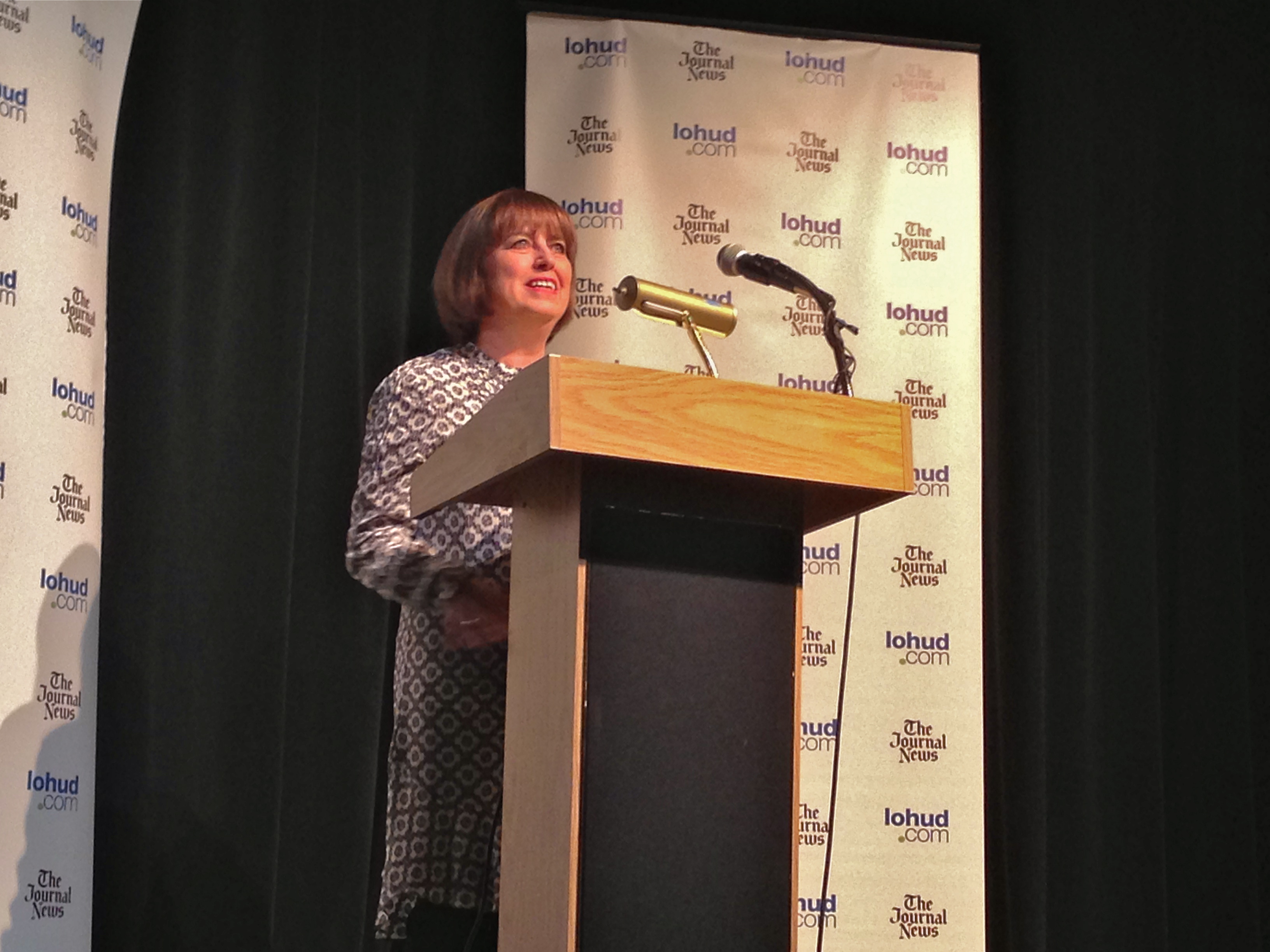
Some obstacles women face while trying to get to the top include a lack of paid family leave, bias toward mothers in the workplace, and unequal pay.
Per UN Women, females make only $.77 for every $1 a male makes. The gap is even wider for Latinas and Black women, who make $.58 and $.71, respectively (U.S. Bureau of Labor Statistics). On average, women will lose out on $430,000 in income over their lifetime because of the wage gap, which also affects their pensions and social security.
Eventually, when women climb the corporate ladder, at some point, they’ll find that they are the only woman in the room.
“A lot of women get distressed because they don’t see role models within the companies where they work”, said Evans. “They start to feel like they’re not going to get ahead and that something is restricting all the women they know who are so talented and bright. This causes women to abandon their corporate climb to find alternatives. Though the U.S. has made lots of progress in women’s equality, we are very far behind other countries when it comes to true parity.”
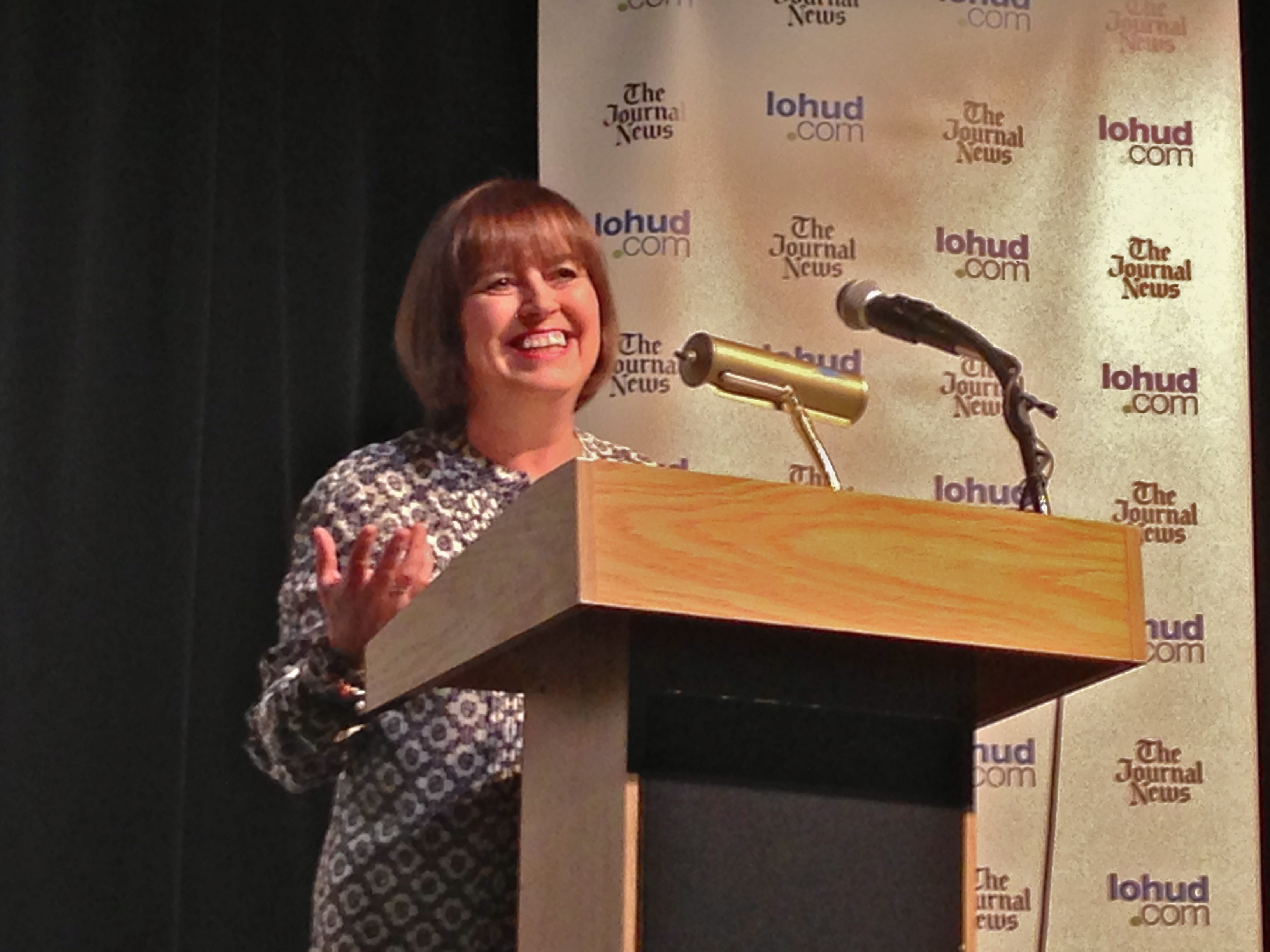
Evans says that providing women with flexible work arrangements and support with work-life balance can help close the gender inequality gap.
Westchester Woman asked Evans how women in Westchester are faring in the work world. She explained that, while the county is home to some powerhouse women leading the country’s top corporations — such as PepsiCo CEO and Chairman Indra K. Nooyi — women in high-profile positions often feel isolated, since many of their peers are stay-at-home mothers without careers.
“Women who are working feel guilty for not being home with their kids, and women who are at home feel guilty that they aren’t using their skills and training,” Evans told Westchester Woman. “That’s the most astonishing thing. Let’s just have joy and play and put guilt aside.”